Lights, Camera, Baby Bump: What to Watch on TV for Expectant Moms

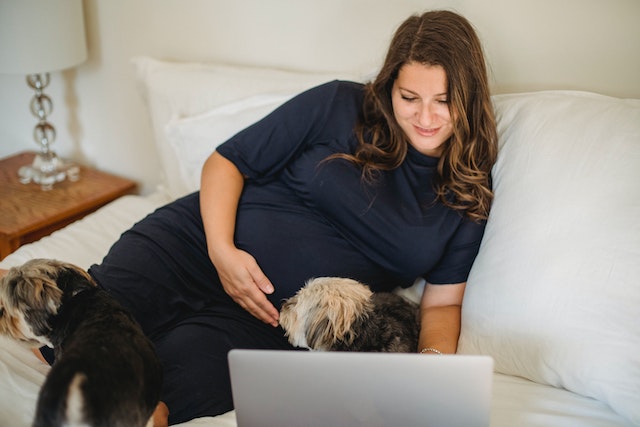
Lights off, snacks ready, and remote in hand—it’s time for some quality TV time! But wait, if you’re an expectant mom, why not make your TV-watching experience even more enjoyable and informative? Whether you’re craving some laughs, looking for parenting tips, or are simply trying to de-stress during your pregnancy journey, we’re here to help! Check out directv guarantee to see which interesting channels you’d like to watch. Here’s some of the best shows that pregnant women should watch.

Parenting and Baby Care Shows

Parenting can be a lot of work and sometimes you just want to see a funny video. Tune in to parenting and baby care shows that offer expert advice, share heartwarming stories, and provide tips on everything from infant development to breastfeeding and beyond. These shows will not only give you a giggle or two but also give you valuable knowledge for the exciting road ahead.

Healthy Recipes for Two

Cravings, anyone? Pregnancy often comes with unique and sometimes unpredictable food preferences. Turn your TV time into a culinary adventure by watching cooking shows on healthy recipes for expectant moms. From delicious smoothies to nutrient-packed meals, these shows will inspire you to whip up delectable dishes that cater to your changing taste buds and nutritional needs.

Relaxation and Mindfulness Programs

Pregnancy can bring its fair share of stress and anxiety. Take a break from it all with TV programs that promote relaxation and mindfulness. Dive into soothing visuals, calming music, and guided meditation sessions to help you find your zen. How about some easy and relaxing TV shows to help you unwind in your busy life? There’s lots of TV shows like that out there. They make for an escape from the day-to-day stresses of work.

Birth Stories and Empowering Experiences

Lights, camera, birth! Get ready for some powerful and inspiring stories of childbirth. Documentaries and reality show highlighting positive birth experiences can be incredibly empowering for expectant mothers. Find stories about overcoming difficulties, the beauty in nature, and the strength of animals. These shows help you feel ready for any journey you may choose to take.

Maternity Fashion and Styling Shows

Even things that are typically considered as boring as pregnancy can be interesting and worth ogling with the right show! Tune in to all the inspiration you need during your pregnancy adventures. From tips on dressing your bump to rocking the latest trends, these programs will keep you looking stylish throughout your pregnancy. Get ready to embrace your baby bump with confidence and flair.

Your TV time just got a whole lot more exciting! From parenting tips to relaxing meditations, a world of TV shows is waiting to entertain and educate expectant mothers. Make the most of your pregnancy journey by immersing yourself in laughter, inspiration, and valuable knowledge. So grab that remote, kick back, and enjoy the wonderful world of television designed just for you, the amazing mama-to-be! Lights out, showtime on!

The Benefits of Using Pillows During Pregnancy

Pregnancy is a beautiful and exciting experience, but it can also be physically challenging. Keeping pregnant women comfortable throughout their journey is utterly important. Comfort during pregnancy is not just a luxury, it is essential for the well-being of both the mother and baby. Among the ways of keeping a pregnant woman comfortable throughout her pregnancy is by using comfortable pillows. 

The Role of Pillows in Providing Comfort

During pregnancy, the body undergoes significant changes as it accommodates the growing fetus. These changes often result in discomfort and pain, especially in the later stages of pregnancy. Pillows are an excellent tool to alleviate these discomforts and provide the necessary support to keep the mother comfortable.

The growing belly during pregnancy can also cause discomfort, especially when lying down. A pillow placed under the belly while lying on the side can provide support and prevent the weight of the belly from pulling on the spine, thus reducing the strain on the back muscles. This support can also help to prevent round ligament pain, a common discomfort that occurs during the second and third trimesters of pregnancy.

Support for Back and Belly

As the belly grows, the weight distribution in the body changes, causing strain on the back muscles. Pillows can be used to provide support for the back and reduce the strain. A pillow placed behind the lower back while sitting or a full-length body pillow while sleeping can help to alleviate the discomfort.

Relief from Aches and Pains

Pregnancy can cause a variety of aches and pains, such as hip pain, leg cramps, and shoulder pain. Pillows can be used to provide relief from these discomforts. A pillow placed between the knees while sleeping can help to reduce hip pain and prevent leg cramps. A pillow placed under the shoulder while lying on the side can help to alleviate shoulder pain.

Improved Sleep Quality

Sleep is essential during pregnancy, but it can be difficult to get comfortable. Pillows can be used to improve sleep quality by providing support and reducing discomfort. A full-length body pillow can be used to support the belly and provide a comfortable sleeping position on the side.

Capturing the Glow: How to Film and Cherish Precious Moments of Your Pregnancy


Pregnancy is one of the most beautiful experiences that a woman can have. From the moment you find out that you are expecting a little one, your life changes forever. And while pregnancy can be challenging at times, it is also an incredibly magical and transformative experience. So, it’s only natural that you want to capture and cherish every precious moment of your pregnancy, which you can share and even allow downloads from an online video downloader iphone.

In this article, we will share some tips and tricks on filming and cherishing the beautiful moments of your pregnancy. We will cover everything from the best cameras and equipment to use to how to pose and create beautiful shots. So, without further ado, let’s dive in!

Choosing the Right Camera and Equipment

The first step in capturing beautiful moments of your pregnancy is choosing the right camera and equipment. Nowadays, most smartphones have great cameras, so you don’t necessarily need to invest in a professional camera. However, if you want to capture high-quality images and videos, investing in a good camera is essential.

When choosing a camera, consider the following factors:

  • Resolution: The higher the resolution, the better the image or video quality.
  • Lens: The lens is crucial in determining the quality of the image or video. A good lens will produce sharp and clear images.
  • ISO: ISO determines the camera’s sensitivity to light. Higher ISO values are essential in low-light situations.
  • Image stabilization: This is particularly important if you plan on shooting videos. Image stabilization will prevent shaky footage and produce smooth, professional-looking videos.

In addition to a good camera, you will also need a tripod to keep the camera steady and avoid shaky footage. If you plan on shooting videos, invest in a good microphone to ensure high-quality audio.

Posing and Creating Beautiful Shots

Once you have your camera and equipment ready, it’s time to start shooting! One of the most important aspects of capturing beautiful moments of your pregnancy is posing. You want to make sure that you look and feel your best in every shot. Here are some tips on how to pose for the camera:

  • Stand tall: Good posture is key to looking confident and beautiful in every shot. Stand tall, pull your shoulders back, and engage your core.
  • Highlight your bump: Your baby bump is the star of the show, so make sure to show it off in your shots. Wear form-fitting clothes that accentuate your bump.
  • Experiment with angles: Try different angles to see what works best for you. Some angles may be more flattering than others, so don’t be afraid to experiment.
  • Get creative: Don’t be afraid to get creative with your poses. Try sitting, standing, and lying down to create a variety of shots.

In addition to posing, lighting is also crucial in creating beautiful shots. Natural light is always the best option, so try to shoot during the day when there is plenty of light. If you are shooting indoors, make sure to position yourself near a window to capture natural light.

Editing Your Photos and Videos

Once you have captured your precious moments, it’s time to edit your photos and videos. There are many great editing tools available, both free and paid. Here are some of our favorite editing tools:

  • Adobe Lightroom: This is a great tool for editing photos. It offers a wide range of editing options, from basic adjustments to advanced techniques like selective adjustments and color grading.
  • Final Cut Pro: If you are editing videos, Final Cut Pro is a great tool to use. It offers a wide range of features, from basic editing to advanced techniques like color grading and special effects.
  • iMovie: If you are looking for a free video editing tool, iMovie is a great option. It’s easy to use and offers basic editing features like trimming, splitting, and adding transitions.

When editing your photos and videos, keep in mind that less is often more. Don’t overdo it with filters and effects. Instead, focus on enhancing the natural beauty of the moment. Remember, these are precious memories that you want to cherish for a lifetime.

Sharing Your Memories

Once you have edited your photos and videos, it’s time to share them with the world! There are many ways to share your memories, from social media to creating a physical photo album. Here are some ideas:

  • Social media: Share your photos and videos on social media platforms like Instagram, Facebook, and Twitter. You can also create a private group to share your memories with family and friends.
  • Photo album: Create a physical photo album to showcase your precious moments. You can use online services like Shutterfly or create a DIY album using scrapbooking supplies.
  • Video montage: Create a video montage of your pregnancy journey. You can use software like Animoto or create your own using video editing tools.

Whichever method you choose, make sure to label and organize your photos and videos. This will make it easier to find and share your memories with others.

Read also: Pregnancy Photoshoot

Final Thoughts

Capturing the glow of pregnancy is a beautiful and meaningful experience. With the right camera, equipment, and techniques, you can create beautiful photos and videos that will help you cherish these precious moments for a lifetime. Remember, it’s not about perfection, but rather about capturing the beauty and magic of this special time. We hope these tips have been helpful and wish you all the best on your pregnancy journey!

A Solutions Provider Delves on the Features of Australian Hospitals

This post delves on Australian maternity hospitals, and of what Aussies think of the care and services they provide. Private maternity facilities in Australia are very similar to those in other countries. However, know beforehand that women who choose to give birth in a private medical facility are those with private health insurance. Otherwise, it’s quite expensive to seek maternity health care and child birth services in a private Aussie hospital.

Pregnant patients being cared for by a private obstetrician have to give birth at the same hospital where the latter works. The connection and collaboration between the obstetrician and the private hospital helps ensure proper monitoring of pregnancy developments up to the day the baby is delivered.

In Australia, most women prefer to have their prenatal sessions and child delivery in the labour ward or birthing centre of a public hospital. Mainly because the costs are largely covered by Medicare and therefore substantially free. However, unlike in private hospitals, pregnant patients with complications cannot choose to have their own doctor in a public hospital. Prenatal care and child delivery services for low-risk pregnancies are usually provided by whichever team of midwives are available.

In most cases, Australian women seek advice and referral from a general physician before deciding on the options available in the different public hospitals in their area.

Safety and Quality of Care and Services Provided by Australian Maternity Facilities

Private maternity clinics, better known as birthing centres, are connected to private hospitals and offered as an alternative for low-risks pregnant women. Public hospitals on the other hand perform child delivery services in their labour wards, with mostly midwives in attendance. An obstetrician attends to a patient only if with problematic conditions.

The safety and quality of hospitals in Australia are ensured by numerous regulatory mechanisms and systems that oversee not only the quality of the hospital services. The regulations include measures surrounding medicines, medical devices, the hospital workforce and the integrity of the structure. In Australia, concrete footings and slabs must follow the slab thickness set under the Australian standards. The thickness standards for hospitals are stated in the specification documents supporting the arrangements for the building of the hospital.

Based on a survey conducted by The Australian Bureau of Statistics (ABS), about 90% of patients who submitted themselves for treatment in a hospital said their doctors often listened carefully to them.

Saudi Arabia Conducts Studies to Improve Basic Childbirth Services

The Ministry of Health of the Kingdom of Saudi Arabia acknoŵledges that in-depth studies of maternity services is essential to effectively improve the health system. Apparently, ongoing privatization movements particularly in the maternity service sector, make such studies critical. Mainly because the results will reveal the factors affecting childbirth, the most basic service provided by healthcare facilities.

Childbirth is widely recognized as the most common interaction between women and the public or private healthcare system. The general satisfaction of pregnant women over the actual care and services received during the birthing process is a clear indicator if there are gaps between the quality of maternity services provided by public and private facilities.

Study Compares Childbirth Services of Two Saudi Arabian National Guard Hospitals

A qualitative study by way of 78 semi structured interviews was conducted to better understand the main issues affecting the child birthing process experienced by pregnant women in public and private sections of two selected National Guard Hospitals.

The interviews revealed three major areas of concern, hospitals, doctors and nurses. First off, the study results revealed that women who gave birth in the public section of a hospital had issues about lack of privacy. It would be easy to surmise that cleanliness and hygiene are also issues, notwithstanding that in Jeddah, any شركة تنظيف المنازل في جدة or cleaning company can provide cost effective cleaning services.

Moreover, the respondents in the public sector study revealed that overall, women who gave birth in the public maternity wards received mediocre medical attention from nurses and doctors.

Hospital-Based Study to Identify Factors Affecting Quality of Prenatal Care in Saudi Healthcare Facilities

Another study, also by way of structured questionnaire, was conducted to determine the factors facilitating or preventing pregnant women from receiving prenatal checkups. Prenatal or antenatal care is essential because pregnant women can receive proper micronutrient supplementation and treatments for health problems commonly associated with pregnancy. In Saudi Arabia, antenatal care includes anti-tetanus immunization and HIV testing.

The hospital-based study revealed that the most common personal barriers preventing pregnant women from receiving antenatal care is lack of transportation and fear of medical examinations. Other factors are deemed as structural barriers such as inconvenient clinic hours and dissatisfaction with previous prenatal care. An important measure recommended in removing these antenatal barriers is to maintain effective communication between pregnant patients and hospital staff.

According to the Ministry of Health, the current situations revealed by these studies serve as important information to Saudi Arabian policymakers in their bid to improve the country’s health-care system; including the medical services rendered to patients in both public and private wards.

Ensuring Clean Water Supply During and After Pregnancy

More often than not, women who find out they’re pregnant become increasingly concerned over keeping themselves and their child healthy and safe from toxins. After all, the environment has gone through changes and advancement through the years, where harmful chemicals and toxic elements came to affect the air, water and even the food we normally take in as sustenance. The most challenging part in addressing such concerns are the hidden toxic elements. Nevertheless, they are not without solutions albeit requiring professional help of service providers.

Still, pregnant women should not be too worried about toxins in the environment, lest they become paranoid over every aspect of their living conditions. Stress and anxiety attacks can also cause unhealthy pregnancy conditions. Actually, the list of toxic ingredients and materials that cause hazards to human health and the environment, is quite long; we cannot worry about all of them. Moreover, health authorities say that if we do not use, inhale or ingest them habitually, small doses will not have devastating effects.

Yet there are certain conditions that make it important for families to look into and take issue as a matter of health concern.

Lead and Other Toxic Materials Used in Homes Built in the 70s or Earlier

If you are currently living in a home that was built in the 70s or earlier, it would be wise to have a professional check if the plumbing, heating and electrical systems of the house have been replaced with modern components. Many California homes built and sold during the real estate boom in the 1970s and earlier, made use of materials that were later discovered to have high levels of toxicity such as lead, asbestos and VOCs.

Besides, after more than 40 years in existence, a thorough inspection of the pipes, especially when there are pregnant women, children and older adults present, as they could be affected. If you are to call a plumbing company, a plumber will inspect if the interior surface of pipes is already shedding off tiny rust flakes that in the future can clog pipes, faucets and showerheads.

Since OB-Gynes constantly stress the importance of drinking plenty of water during pregnancy. In which case, it would also be wise to have your tap water checked for contaminants. Lead or mercury regardless of the amounts that go into the drinking water are health hazards.

According to Professor Mark Woodin, Sc.D., of the Civil and Environmental Engineering Dept. of Boston’s Tufts University School of Medicine, lead in drinking water has been linked to cases of premature birth, low birth weight, and in some cases, permanent damage or poor development of an infant’s nervous system. The Environmental Protection Agency’s (EPA) performs water testing for a $15 fee or higher.

What Foods To Eat And Avoid While Pregnant


A person’s diet should include proteins, carbohydrates, and fats for a healthy pregnancy. They recommend putting the following foods first:

Vegetables and fruits

Currently, approximately 90% of the population in the United States does not consume the daily recommended amount of vegetables. Aim for about 2.5 cups of vegetables and 2 cups of fruit per day to meet the national guidelines.
These goals can be met by consuming a variety of fresh, frozen, or canned produce, as well as 100% fruit juices. However, if possible, choose whole, fresh, or frozen fruit over juice.

Carbohydrates that are complex

Starchy foods such as sweet potatoes and squash, whole grains like farro and buckwheat, and legumes like beans or chickpeas are examples of complex carbohydrates.
When possible, choose these over refined carbohydrates such as white bread, pasta, and rice.
Pregnant women with high blood sugar may also need to carefully monitor their carbohydrate intake. A person’s medical team, which includes an obstetrician-gynecologist and a registered dietitian, can assist in developing an optimal carbohydrate target for each individual.

Protien

Protein pregnancy is a time of rapid development and growth. As a result, getting the right amount of protein is essential. Reliable Source.
It is critical to consume a variety of protein sources being a part of a balanced diet while pregnant.

Fats

Fats are an essential component of any healthy diet and play an important role during pregnancy. However, the type of fat matters. Getting omega-3 polyunsaturated fatty acids, for example, is critical during pregnancy.
Furthermore, high saturated fat intake can increase the risk of pregnancy complications.
While pregnant women can safely consume some saturated fats, they should consume unsaturated fats more frequently for optimal health.

Fiber

Fiber-rich whole grain foods include oats, brown rice, beans and lentils, fruit, and vegetables. These foods promote overall gut health and can help people feel fuller for longer periods of time.
A high-fiber diet will lower the risk of developing pregnancy complications such as hemorrhoids and constipation.

Pregnancy nutrient requirements

During pregnancy and lactation, a person requires more water- and fat-soluble vitamins. This includes, among other things, folate, choline, and vitamins B12, A, and D.
Doctors are usually
People should take prenatal supplements before, during, and after pregnancy to maintain healthy nutrient levels and support their bodies during postnatal recovery, according to Trusted Source.

Iron

Iron is an important component of hemoglobin. The amount of blood in the body increases by nearly 50% during pregnancy (trusted source). The body requires more iron to produce the extra hemoglobin in this blood.

Preparing Your Body For Pregnancy


There are plenty of women who methodically plan out every aspect of upcoming motherhood, sometimes years in advance, for every one who becomes pregnant after a night of too many cocktails. Sometimes, we fall somewhere in the middle: Some people may decide to give up smoking but keep their love of coffee, while others may start practicing yoga as a way to relieve stress but only get five hours of sleep each night.

1. Which vitamins ought I take prior to trying to conceive?

According to studies, taking a daily multivitamin that contains folic acid significantly reduces the incidence of neural tube defects (NTD), which affects two to four out of every 1,000 babies born in Canada and results in birth defects of the spine or brain such as spina bifida and anencephaly.

2. Should I switch my medication before attempting to conceive?

Many women believe that using prescription drugs during pregnancy is not advised because they may harm the fetus, such as antidepressants or drugs for high blood pressure.

3. Should I be concerned with my weight before becoming pregnant?

I’m going to gain weight when pregnant anyway, so do I really need to cut back on the Lays? Sorry, but the response is affirmative. Body mass index (BMI) is important when it comes to pregnancy.

4. Which forms of exercise are risk-free when I’m trying to get pregnant?

It’s a frequent myth that you should give up your gym routine in order to prepare your body for pregnancy. There is no reason to start training for that half-marathon right away because, according to research, doing too much exercise can lower fertility. However, it is recommended that you exercise in moderation.

5. What kind of diet should I follow to conceive?

A well-balanced diet can help.This entails limiting your intake of processed meals and making sure you’re receiving enough fruits, vegetables, protein, and healthy fats.

6. Can I still have coffee while trying to get pregnant?

There is no need! However, while trying to conceive and while pregnant, keep your daily caffeine intake to 200 to 300 mg.

7. Before I become pregnant, I should party now to get everything out of my system, right?

Some women are inclined to drink, smoke, and party while they can until those positive lines on a pregnancy test emerge (trust us, hangovers and babies do not mix). However, it turns out it wasn’t such a good idea.

Driving A Car While Pregnant: Protect Your Baby Bump

For many mothers-to-be, the question arises at some point as to whether and how it is possible to drive in early or late pregnancy. In principle, of course, there is nothing to prevent pregnant women from driving. However, it is still important to take precautionary measures for your safety and your unborn child.

What speaks against driving a car during pregnancy?

Traffic law does not, of course, provide for a driving ban for pregnant women. Driving a car while pregnant is therefore not prohibited, regardless of the stage of pregnancy. However, this does not mean that it is generally advisable especially in the last third of the year to drive when pregnant. The different trimesters can bring different restrictions.

A 2014 Canadian study found that pregnant women who drive are significantly more likely to be involved in accidents than non-pregnant women. According to this, the risk of a car accident increases significantly from the third month. Statistically, one in 50 women is involved in a traffic accident during pregnancy. Car services like towing to Santa Clara business of course can help with this. Towing services not only help in towing your car but can help with the first aid during traffic accidents.

towing to Santa Clara

Towing services: What are the reasons for the increased risk of accidents?

  • Fatigue
  • Lack of concentration
  • Absent-mindedness

These occur more frequently in the middle of pregnancy. Expectant mothers should therefore undergo a critical self-analysis before they get behind the wheel. This is especially true for heavily pregnant women. Driving in the last trimester of pregnancy is generally not recommended. In the event of an impact, for example, the membranes may rupture prematurely. Another problem for heavily pregnant women is that the legs swell during pregnancy. Sitting in the car for a long time increases the risk of thrombosis.

Simple rules when driving a car for pregnant women

Push the car seat back as far as possible

If an accident occurs, the airbag may explode as a result of the impact. The pressure of opening can hit your stomach, which could result in serious injury. Experts recommend that there is a distance of at least 25 cm between you, as a pregnant woman, and the airbag. This will minimize the impact of the impact on your stomach.

Adjusting the seat belt during pregnancy

Make sure you buckle up correctly. The belt prevents your stomach from hitting the steering wheel in the event of an impact. In this way, you guarantee your safety and your child’s and also avoid the penalties for not wearing seat belts. In general, you should avoid hard or sudden braking during pregnancy.

Things To Do During Pregnancy

Tasks to complete while expecting your baby

Supplement with vitamin D and folic acid.
Your baby’s risk of neural tube defects like spina bifida can be greatly reduced by taking folic acid during pregnancy.
During pregnancy, it is recommended that 400 micrograms of folic acid be taken daily as a supplement until the end of the first trimester (week 12 of your pregnancy).
For example, those with diabetes or epilepsy may benefit from taking a higher dose of folic acid than the average person. In order to obtain this, a doctor’s prescription is required. Investigate folic acid further to learn more about its benefits.
Additionally, you should take a vitamin D supplement if you are pregnant , as well as if you are breastfeeding. In doing so, you aid your child’s growth of strong bones, teeth, and muscles.


Healthy eating habits

It’s important to eat healthy foods, including fruits and vegetables, meat, cheese, potatoes, beans, and pulses, in order to keep a stable weight and nutrition level during pregnancy. This will give you and your unborn child the best possible start in life.
Consult your midwife or doctor if you feel you are having difficulty maintaining a healthy diet during pregnancy. They may be able to provide assistance by referring you to a dietitian.


Perform regular physical activity.

You and the baby will benefit from your maintaining an active lifestyle. Better sleep, less anxiety, and a healthier pregnancy are all possible results.
You can maintain the same level of activity during pregnancy as you did before you became pregnant. Nonetheless, pay attention to your internal cues and slow down if you feel any unease. Start slowly and work up to 30 minutes a day if you weren’t an exercise fanatic before becoming pregnant.

Don’t go crashing into things or play contact sports.
Carrying on with a regular exercise routine is generally recommended and safe to do throughout pregnancy. However, there are some things you absolutely must avoid doing.


Be aware of your baby’s activity levels.

If you can feel your baby wiggle around, everything is going well. The time you feel your baby move is usually between the 18th and 24th week of pregnancy.It’s possible that you won’t feel your baby move until after 20 weeks if this is your first pregnancy.
A soft whirling or fluttering sensation may be experienced. Kicks and jerky movements are normal during pregnancy.
Learn your baby’s typical movement pattern and report any changes to your midwife or maternity unit immediately. Up until the time of delivery, you should feel your baby kicking and moving around.

Third-trimester pregnant women should sleep on their sides.

In the third trimester, sleep sideways instead of your back to protect your unborn child. Both overnight and short naps during the day count. Don’t fret if you find yourself lying on your back after falling asleep there; simply turn over and resume your sleep.


You should take good care of your mental health.

Maintaining a healthy mental state is just as crucial as maintaining a healthy body during pregnancy. Mood swings and a lack of motivation are common emotions during pregnancy. However, if these emotions become overwhelming or continue for more than a few weeks, it is essential that you seek assistance.
No matter how you feel, you will be accepted. Around 20% of pregnant women and 10% of women in the year following delivery will experience some form of mental health problem. All members of your pregnancy care team recognize the universality of mental health issues.


Think about getting the vaccines that are available.

Prenatal vaccinations will be made available to you.
Inoculation against whooping cough
The respiratory infection known as whooping cough (pertussis) causes violent bouts of coughing. Very young infants are particularly vulnerable to the devastating effects of this disease. The vaccine is recommended for pregnant women to protect their unborn child until the child is old enough to receive their first round of vaccinations.
Vaccination is safest and most effective between the 16th and 32nd weeks of pregnancy. But the vaccine is safe to take from 16 weeks of pregnancy until the time of delivery. However, its efficacy declines after the 38th week of pregnancy.

Vaccines for the flu (between September and February)
No matter where you are in your pregnancy, getting vaccinated against the flu is a good idea. This is because influenza during pregnancy is associated with serious complications, especially in the third and fourth trimesters.
Vaccine against influenza type 19 (Covid-19)
Women should get the COVID-19 vaccine as soon as possible during pregnancy. To learn more about the safety of the COVID-19 vaccine during pregnancy and breastfeeding, click here.
Be sure to bring your prenatal notes everywhere you go.
You should always have your antenatal notes on you because they contain important information about your health and pregnancy. It’s crucial if you need to visit the maternity ward unexpectedly.
If you are planning to go for an international trip, you should pack accordingly.
Take your maternity notes and make sure your travel insurance covers you in case of any complications during your pregnancy if you’re going to be flying internationally.


Keep an eye out for warning signs.

Some signs and symptoms may indicate that the baby is sick and should be checked up by a midwife or doctor at any time. Among these are:
When in doubt about the health of either you or your unborn child, it’s best to call your midwife to be safe. Regardless of whether or not you can put your finger on it, In pregnancy, it’s crucial that you follow your gut.
During your pregnancy, it’s important to avoid these common mistakes.
Do not make the common mistake of “eating for two.”
In the first and second trimesters, your baby will get the nutrients they need from you as they develop. Your activity level in the third trimester may increase your calorie needs by an additional 200 calories. About half a sandwich can be made with this amount of food.

It’s best not to diet while pregnant.
It’s possible that your baby won’t get the nutrients they need for healthy development if you’re dieting by avoiding certain food groups. Eating a healthy, balanced diet that includes foods from all of the main food groups, rather than severely limiting your food intake, is the best way to control your weight.
In order to have a healthy pregnancy, it’s important to avoid eating certain things.
Pregnancy-related infections like toxoplasmosis and listeriosis can be caused by eating certain foods. Although uncommon, these infections can have serious consequences for your unborn child.
Cut back on caffeine.
Pregnant women should avoid caffeine consumption to the greatest extent possible because of the association between high levels and pregnancy complications.
Smokers, please make an effort to stop.
For the health of both you and your unborn child, quitting smoking is a must.
Miscarriage, stillbirth, and premature birth are just some of the major pregnancy complications that are made much more likely by smoking during pregnancy.
It’s never too late to make the effort to quit smoking, despite how challenging it may be. If you want to stop smoking, get help.
You should abstain from liquor.
Prenatal liquor exposure is associated with negative outcomes for the child. The danger increases with the quantity of liquor consumed. Avoiding liquor altogether is recommended during pregnancy because there is no established safe limit for its consumption.
Keep away from drugs that are meant for fun.
Risks to health are increased by using drugs like cocaine, meta-amphetamines, and psychoactive substances (so-called “legal highs”).
Talk to your doctor or midwife if you’ve taken any kind of illegal drug. Not only will they not pass judgment, but they will also be able to provide you with the care and support you need during your pregnancy. You and your baby will benefit more from appropriate care if your doctors have as much information as possible.

Featured

Real Stories: Pregnancy and Towing Adventures Shared by Moms-to-Be


pregnant car trouble

Pregnancy is a journey filled with anticipation, joy, and the occasional unexpected detour. For moms-to-be who find themselves towing to Santa Clara, the road becomes a canvas painted with unique stories of challenges, lessons, and heartwarming experiences. In this collection of real tales, we delve into the lives of pregnant individuals who navigated the twists and turns of towing services during this extraordinary time.

Navigating the Unexpected: A Towing Tale

Jessica’s Bumpy Ride. Jessica, a first-time mom, shares her unexpected towing adventure during a visit to Santa Clara. As her vehicle encountered issues en route, a towing service became her unexpected companion. She recounts the initial anxiety turning into relief as the towing professionals ensured her safety and comfort throughout the journey. A valuable lesson learned about the importance of choosing the right towing service for a smoother ride.

Lessons from the Road: Towing to Santa Clara Chronicles

Grace’s Roadside Wisdom. Grace, a seasoned mom of two, reflects on her towing experience while pregnant with her third child. Facing a sudden breakdown on the highway, she highlights the importance of emergency preparedness. Grace shares practical tips, from keeping a well-packed emergency kit to choosing a towing service with a proven track record in efficiently handling unexpected situations.

Finding Comfort on the Journey

Emma’s Comfortable Towing. Emma, a mom-to-be with a passion for road trips, narrates her positive towing story. Emphasizing the significance of comfort during pregnancy, Emma discusses her research on pregnancy-friendly towing vehicles and how choosing the right towing company made all the difference. Her experience serves as a guide for expectant mothers seeking a smoother and more comfortable ride during towing to Santa Clara.

Overcoming Challenges: Towing Tales of Resilience

Sarah’s Triumph over Towing Trials. Sarah, a resilient mom who faced towing challenges head-on, shares her tale of triumph. Confronting unexpected car troubles during her third trimester, Sarah encountered both physical and emotional hurdles. Her story revolves around the support she received from the towing team and the resilience that blossomed amidst adversity.

A Community of Support: Connecting Through Stories

Tiffany’s Community Connection. Tiffany, an advocate for building a supportive community, shares her towing journey while pregnant. Reflecting on the power of shared experiences, Tiffany emphasizes the importance of connecting with other moms-to-be who have navigated similar roads. Her story inspires a sense of camaraderie, encouraging expectant mothers to reach out, share their stories, and find strength in a community that understands.

READ ALSO:  Driving A Car While Pregnant: Protect Your Baby Bump

Conclusion: Towing to Santa Clara – A Journey of Shared Stories

As we traverse the roads of pregnancy, the towing adventures to Santa Clara become more than just logistical challenges—they transform into a tapestry woven with the threads of resilience, preparation, and community support. Through these real stories, moms-to-be can find solace, guidance, and a reminder that, even when towing, the journey is as important as the destination.

Featured

Reasons Why Pregnant Women Should Not Drive

You put the brakes on a lot of exciting activities when you’re pregnant in order to protect the health of both you and your unborn child. Examples include riding roller coasters, soaking in hot tubs, and participating in pub crawls.

With all the things you can’t do when pregnant, it’s understandable to question if you can still perform everyday tasks like taking a shower, going for walks on the beach, and driving a car especially huge vehicles like van, bus, or trucks at Santa Clara towing.

Topic: Six Reasons Why Pregnant Women Shouldn’t Drive

You put the brakes on a lot of exciting activities when you’re pregnant in order to protect the health of both you and your unborn child. Examples include riding roller coasters, soaking in hot tubs, and participating in pub crawls.

With all the things you can’t do when pregnant, it’s understandable to question if you can still perform everyday tasks like taking a shower, going for walks on the beach, and driving a car.

Generally speaking, all of these questions have a resounding “yes” as their answer! While pregnant, you can continue living your life.

However, there are some legitimate worries about the security of pregnant women behind the wheel.

Here’s how to decide whether you should still put your growing infant in the driver’s seat of your car or give your partner, mother, best friend, or even your neighborhood Uber driver, your keys.

risks of pregnancy and driving

Nine out of ten times, it’s completely safe to drive while pregnant. If pregnancy were a bar to driving, we’re actually very convinced that everything would come to a total stop.

But we have to be honest with you: Driving when pregnant has an oddly larger risk than driving while not pregnant. According to a 2014 study, women were 42% more likely than non-pregnant women to be involved in serious car accidents in the second trimester.

In the second trimester alone, indeed. The hazards were the same during the first and third trimesters as they were not related to pregnancy.


How Video Games Help Women Lose Weight After Giving Birth

Women who just gave birth playing VR game

Losing weight after a pregnancy is not easy for many and the added kilos often remain there. Several studies show that physical activity and fitness training are effective in making the pregnancy silos disappear again, but many young mothers do not keep this up because the new child takes a lot of time, and being away from home is often difficult. Unlike the family-friendly game Minecraft (with the best Minecraft servers), a number of computer games are designed to make people move while playing. Researchers from Japan combined the useful with the pleasant and conducted a study on the effectiveness of playing these computer games on weight loss after pregnancy.

What did the researchers do?

34 women were asked to participate in the study. All women had given birth between 3 and 12 months before the start of the study. The women were randomly divided into a Video Game training group and a Control group. The Video Game training group was asked to play 30 minutes of Wii Fit Plus on the Nintendo Wii daily. However, they were free in how often and for how long they were going to play. The exercise intensity of the Wii Fit Plus game was around 3 METs or metabolic equivalents. This effort is similar to cycling or walking. The Control group was asked to maintain their regular lifestyle. The study lasted 40 days and before and after the start the participants were weighed and their waist size and fat mass were measured.

After 40 days, both the Video Game group and the control group showed a significant decrease in body weight and fat mass. However, the decreases were larger in the Video Game group and this group also showed a significant decrease in waist size. Although participants in the Video Game group were advised to play every day, this only happened on 4 days each week with an average of 62 minutes per session. So it was not played every day, but when this was done, the participants did it longer than recommended.


ALSO READ: The Importance of Listening to Music During Pregnancy


What did the researchers conclude?

The researchers concluded that playing video games that require you to be active for a reasonable period of time can lead to meaningful decreases in body weight, waist size, and fat mass. In addition, it turned out that the participants really enjoyed doing it, which is also evident from the playing time per session.

What does this mean in practice?

  • Active video games where one has to constantly move the body to play can serve well to train the weight that has arrived during pregnancy in a fairly short period of time.
  • Active video games can therefore serve as a substitute for other physical activities such as walking or other outdoor activities when it is not convenient to leave home in connection with the care of a baby.
  • Although it is a very useful alternative to regular physical activity, a combination of exercise, training, and a healthy lifestyle is more effective.
Featured

When You Should Not Drive If You Are Pregnant

You put the brakes on a lot of exciting activities when you’re pregnant in order to protect the health of both you and your unborn child. Examples include riding roller coasters, soaking in hot tubs, and participating in pub crawls.

With all the things you can’t do when pregnant, it’s understandable to question if you can still perform everyday tasks like taking a shower, going for walks on the beach, and driving a car.

Generally speaking, all of these questions have a resounding “yes” as their answer! While pregnant, you can continue living your life.

But when you should not drive regardless of the type of vehicle – be it a car, motorcycle or a huge truck likes tow truck of Santa Clara Towing? Below are a few examples.

1. If you experience extreme nausea, don’t take the wheel.
You shouldn’t drive if your nausea is so severe that you can’t get up off the couch (or, let’s face it, the bathroom floor).

You thought managing an unexpected sneeze while driving was a stressful situation? A sudden barf is much worse. Not to add that driving while pregnant is prohibited since nausea frequently coexists with dizziness and lightheadedness.

2. Never drive if you can’t stop in a safe place.
To reach the brake pedal, you must move your seat back from the steering wheel so far. The shoulder belt is too tight over your, ahem, newly enhanced chest, so you need to tuck it behind you.

3. If you can’t make frequent stops, don’t drive.
Speaking of unexpected stops, avoid getting in the car if you can’t plan a few rest stops on the route to your destination.

Deep vein thrombosis (DVT), a blood clot that frequently begins in the leg and can advance to your lungs, can have serious and even fatal repercussions when it occurs to a pregnant woman.

4. Avoid driving when… pregnancy restricts your mobility
When there is a real automobile in your blind spot and you can’t turn around to see it, you’re going to run into trouble!

You should choose not to drive if you have a large belly, severe back discomfort, or are simply too stiff and ungainly to check your mirrors or twist your upper body from side to side.

How Pregnant Moms Should Take Care of Themselves

Women are often told that they should change their lifestyles during the pregnancy. They are told there are so many things they need to do to keep themselves and their babies safe.

Luckily, many of these changes can be done in small steps so that women can reach at least some of them without feeling overwhelmed. The first thing every pregnant woman should do is prioritize her physical health. Women should take care of themselves by eating balanced diet and stay hydrated, practicing healthy lifestyle habits such as taking plenty of rest, not smoking or drinking and being safe on the road. See more details below: 

Consume nutritious foods.

Your baby needs food to grow healthy and strong in the womb. Eat a lot of fruits and vegetables of different colors, whole grains, foods high in calcium, and foods low in saturated fat. Taking a daily prenatal multivitamin can help make sure you and your baby get the right amount of key nutrients while you are pregnant.

Go to your check-ups for prenatal care. 

A healthcare provider should check on pregnant women regularly. If moms don’t get regular prenatal care, their babies are much more likely to be small at birth or have other problems. If available, consider group prenatal care.

Don’t drink. 

Don’t drink before you get pregnant, while you’re pregnant, or while you’re nursing. FASD can cause facial features that don’t look right, as well as severe learning disabilities and behavior problems. Because of this, women who might get pregnant shouldn’t drink either.

Don’t smoke. 

If you smoke, you and your baby will both get sick. It makes things like SIDS, premature birth, miscarriage, and other bad things more likely to happen.

Get your feet moving.

You can stay healthy during pregnancy if you work out every day or stay busy in other ways. Find out from your doctor how much physical activity is right for you.

Get plenty of rest.

You and your baby need 7 to 9 hours of sleep each night. Try sleeping on your left side to get your blood moving better. Getting rid of stress is a must for better birth outcomes. Women who are pregnant should avoid stress as much as they can.

Promoting your Spotify Tracks and Saving Precious Pregnancy Time

It’s no secret that music can help you relax and unwind. But did you know that it can also help you get pregnant?

Music has been found to lower stress levels and reduce anxiety in pregnant women. It also helps them relax and sleep better.

Researchers have even found that the music a mother listens to during pregnancy can affect her child’s development. So, if you’re trying to get pregnant, it might be worth investing in Spotify Premium for your baby’s sake!

How to Get Started Promoting Your Tracks on Spotify

The music industry is booming, and with the rise of streaming services like Spotify, it’s easier than ever to get your music heard. With a little promotion and some luck, you could be the next big thing.

Spotify provides a lot of tools for artists to use to promote their work. In this article, we’ll go over some of the best ways to promote your tracks on Spotify.

Promoting your tracks on Spotify is not as simple as uploading your music and waiting for success. To promote your Spotify tracks, you need to think about how you want people to find you, what kind of content you want them listening to, and how you can get them excited about what they’re hearing.

How Digital Marketing and Music Promotion Strategies Save Precious Pregnancy Time

Pregnancy is a time-sensitive period. It is important to keep in mind that the first trimester is the most crucial time for a mother and her fetus. The second trimester is the time when mothers should be taking care of their health and preparing for childbirth, while the third trimester is when they are close to giving birth.

Digital marketing campaigns are an effective way to reach out and connect with new customers, while music promotion strategies can be used as a tool to promote products or services.

Featured

The Importance of Listening to Music During Pregnancy

A pregnant woman could be someone who has been trying to get pregnant for a long time or is entirely unprepared. Either way, she will experience some of the most significant changes in her life during this time.

Listening to music during pregnancy is a good way for mothers to bond with their unborn babies. It can also positively affect the baby’s brain development and mental health.

Music has been used as therapy for centuries, and now prenatal music is recommended by doctors worldwide as an effective therapy for pregnant women.

What Kind of Music Should You Listen to When You’re Pregnant?

Music is the best way to soothe a pregnant woman. It’s been found in recent research that when a pregnant woman listens to music, her unborn baby’s heart rate also follows suit. It is one of the few non-medicine therapies that hasn’t been scientifically proven to help with pregnancy and birth.

Studies have shown that prenatal music listeners are more likely to have an easier labor and birth and increased newborn brain development. They should ensure that they eat healthily, take prenatal vitamins, dress adequately for the season, get enough sleep, and listen to soothing music.

Choosing the right kind of music is all about what you prefer, but there are some songs that are scientifically proven to help with pregnancy and birth:

  • Soundtracks such as A Star Is Born
  • Gentle instrumental songs
  • Classical Piano music

Music is a powerful expression that can affect our mood and emotions. Dubbed the “universal language”, it can be used to communicate with others. Many people talk about how music has a therapeutic effect on them and has been shown to improve health outcomes in many cases.

Featured

Dealing with fatigue during your pregnancy

Feeling hot, tired, or faint is kind of common during pregnancy. Hormonal changes happening in your body at this point can cause you to feel nauseous and emotional. Being tired and run-down also can cause you to feel low. try and take care of your physical health by eating a healthy diet, performing some gentle exercise, and getting many rest and sleep. It’s common to feel tired or perhaps exhausted, during pregnancy.

Feeling hot
This is often thanks to hormonal changes and a rise in blood supply to the skin. You’re also likely to sweat more. It helps if you:

  • keep your room cool — you may use an electrical fan to chill it down
  • wash frequently to assist you are feeling fresh
  • drink lots of water

Feeling tired
It’s common to feel tired or maybe exhausted, during pregnancy, especially within the first 12 weeks just about. If you have got sickness, fatigue may also make nausea worse. Feeling tired won’t harm you or your baby, but it can make life feel tougher, especially within the period of time before you’ve told people about your pregnancy. Later in pregnancy, you’ll feel tired thanks to the additional weight you’re carrying. As your baby gets bigger, it is difficult to urge a decent night’s sleep. you may find it uncomfortable lying down or, just after you get comfortable, you have got to induce up to travel to the restroom. Your sleep patterns change once you are pregnant and you’re likely to own less deep sleep and awaken more often during the night. the sole answer is to undertake to rest the maximum amount as possible.

Feeling faint
Pregnant women often feel faint. This can be because pregnancy affects your circulation. If your brain doesn’t get enough blood and your oxygen levels get too low, it should cause you to faint. You’re possible to feel faint if you rise too quickly from a chair, off the bathroom, or out of a shower, but it also can happen after you are lying on your back.

Here are some tips to assist you to cope:

  • If you are feeling faint, sit or change posture and put your head between your legs until the faintness passes. If it doesn’t, change posture on your side.
  • If you’re feeling faint while lying on your back, activate your side (it’s better to not lie flat on your back in later pregnancy or during labor).
  • Drink water.
  • Eat regularly to stay your glucose levels stable.
  • Make sure you let your doctor or midwife know if you often feel dizzy or faint.

If you are feeling very dizzy or faint early within the pregnancy and you furthermore may have bleeding from your vagina or tummy pain, you may have an ectopic gestation. It’s important to determine a doctor straight away.


The Ultimate Guide to a Healthy Pregnancy

When you find out you’re pregnant, your world changes in an instant. You might be excited to start a family or nervous about the future and how you’ll manage work and home life. But mostly, you wanted to ensure a healthy family. 

Prenatal Nutrition Basics

The most important thing to remember about prenatal nutrition is that variety is the key. Eating plenty of healthful foods will help ensure that you and your baby get all the nutrients you need. 

Calcium

It is important for the development of your baby’s bones and teeth, particularly during the last trimester. Pregnant women need about 1000mg of calcium each day.

Iron

It is necessary to make hemoglobin, the substance in red blood cells that carries oxygen throughout your body. You can find it in red meats, poultry, fish, beans, and many different types of fruits and vegetables.


Folate

Another B vitamin that is very important for a healthy pregnancy. This nutrient helps to prevent neural tube defects in the baby. You can find folate in green leafy vegetables like spinach and broccoli.

Zinc

An important mineral that your body doesn’t naturally produce very much of. It helps the development of your baby’s immune system and for healing wounds. You can find zinc in meats, fish, eggs, and certain types of beans.

How to Manage Nausea During Pregnancy and Morning Sickness?

Some women will experience nausea and vomiting during their first trimester. This may be due to the surge in hormones (pregnancy hormones) and the increased blood flow to the uterus. 

A Guide to Pregnancy Nutrition

During pregnancy, your nutritional needs are different.

This is because your body needs a certain amount of calories, vitamins, minerals and other nutrients to help the fetus grow and develop. Expecting moms must include foods that are high in calories, protein, iron and calcium in their diet in order to maintain a healthy pregnancy.

Lastly, you should limit screen time during pregnancy. Just as with your HEROES in the game, you have to be a hero in real-life for your baby. One way to do this is by setting a limit for yourself when and when you can’t use your phone or any device for that matter.

Should Pregnant Women Play Video Games

It is still not easy to find games that are safe for pregnant women. However, there are some that are relatively safe and can be played without any risk. Some games that pregnant women can play include Farmville and Candy Crush Saga which offer no harm to the baby. Pregnant women should also avoid games with violent content as they may have a negative effect on the fetus. The best way to play games while pregnant is to use a headset or use a controller if you’re playing on a console.

Avoid games like League of Legends for a while, while you may opt to get the service of elo boosting at this time, personally playing on your account may not be advisable to avoid the strain that it may cause on the baby.

Best Video Game Titles for New and Expecting Mothers

As a new and expecting mother, you might be looking for games that are appropriate for your needs. Here are three game titles that are perfect for pregnant women.

The Sims 4: Pregnancy

This game is suitable for all levels of experience and offers a wide range of options to customize your character’s life. This includes everything from pregnancy to giving birth and caring for your child. There are also many different objects to choose from like cribs, strollers, baby carriers, and more!

Sonic Forces: The Battle Within

This game is an action-adventure platformer with lots of fast-paced gameplay and a focus on exploration. You can play as Sonic or Tails as you fight through hordes of enemies in an effort to save the world from the evil Eggman. You’ll also be able to explore a variety of platforming obstacles and meet new characters along the way.

Mario Kart 8 Deluxe

This game may not come with motion controls, but it does offer tons of different customization options for your character. There are different difficulty levels and over 450 accessories you can use to customize your vehicle! It is a racing game with tons of personality.

Read also: Gaming While Pregnant: Types of Video Games You Can Play

Do Not Push Your Limits When You’re Pregnant

Pregnancy is a time of change and growth. It’s also a time when many women start to consider the impact that they have on their unborn child. It can be difficult to know when you are pushing your limits during pregnancy, but there are some things that you should avoid doing, as well as some activities that should be limited or avoided altogether.

Pregnant women should avoid playing too many games and spending too much time on screens in general because it can lead to eye strain, headaches and fatigue. Playing video games when pregnant may lead to negative effects in the fetus, such as a reduced IQ. Playing video games can also cause lack of sleep for the mother and stress that can cause her to drop off during pregnancy. Having a baby will require changes in lifestyle.

Featured

Changes in Your Body During Pregnancy

A person’s body goes through lots of changes. A number of these changes may begin before you even know or confirm you’re pregnant. It can help to understand what to appear for and expect so you’ll prepare.

Path to well being

How do I know I’m pregnant?
A missed period is usually the primary sign of pregnancy. You’ll have another physical sign similarly. These include mild cramping and a touch bleeding when the animal implants itself in your uterus. If you’ve missed your period and think you will be pregnant, you’ll take a home bioassay. These tests are very accurate if you are taking them some days after you’re expected to urge your period. Call your doctor if the test is positive.

Why do I feel so tired?
Your body is functioning hard to regulate all or any the new physical changes. This could cause extreme fatigue. You’ll have to sleep longer than usual at nighttime. If possible, you’ll take short naps during the day. Your energy will possibly return within the trimester of pregnancy.

What is morning sickness?
Morning sickness consists of nausea and vomiting. It’s caused by pregnancy hormones. Many pregnant people have it to a point in their trimester. Despite what it feels like, nausea can occur at any time of day. Certain foods or smells might cause you to feel sick and sometimes vomit. Sickness usually goes away by the trimester.

There are over-the-counter vitamins and herbal supplements which will help with sickness. Taking adermin may help with nausea, although it should not prevent vomiting. Ginger supplements also may relieve nausea.

What other changes am I able to expect during the primary trimester?
Frequent urination. Towards the top of the primary trimester, you’ll desire to urinate more often. this can be because your growing uterus pushes on your bladder. You will even leak touch urine once you cough or sneeze.

  • Lightheadedness. Your body is functioning over time to form extra blood to support your baby. This may cause you to feel dizzy or lightheaded. Hunger, weakness, or stress can cause these symptoms moreover.
  • Heartburn. Hormone changes also hamper this process. Food also stays in your stomach longer to allow your body longer to soak up nutrients. These things can cause or worsen heartburn.
  • Constipation. You must be taking a daily prenatal vitamin that contains iron. The iron within the vitamin can cause constipation. Your doctor may suggest taking fiber supplements or a stool softener to supply relief. Ensure you drink lots of water (about eight glasses per day). Tell your doctor if you’ve got severe problems. They will switch you to a unique prenatal vitamin.
  • Visible veins. Your body makes extra blood and your heart pumps faster to satisfy the wants of pregnancy. This could cause the blue veins in your belly, breasts, and legs to become more noticeable. You will develop spider veins on your face, neck, or arms. These are tiny blood vessels that alter from a central area, just like the legs of a spider.
  • Skin changes. you will notice that your skin looks more rosy and glossy. Some people call this a “pregnancy glow.” It’s caused by increased blood circulation. It’s going to cause you to possess flares of acne.
  • Breast changes. The general public notices changes in their breasts early in pregnancy. The hormones in your body change to organize for breastfeeding. As this happens, your breasts may feel tender and swollen. You would possibly notice small bumps forming within the area around your nipples. Your breasts will still grow and alter throughout your pregnancy. They will feel even bigger and fuller anon.
  • Vaginal changes. The liner of your vagina will become thicker and less sensitive. You’ll notice a skinny, white discharge. This can be normal during pregnancy. Mild vaginal bleeding (spotting) is additionally normal and customary. However, you ought to call your doctor if you’ve got vaginal bleeding. If the bleeding is heavy or painful, move to the hospital room.
  • A growing belly. Counting on your size before pregnancy, you will not notice this modification until the trimester. It’s normal to achieve no or little weight in your trimester.
  • Emotional symptoms. Your hormones are on overload during pregnancy. You would possibly feel moody, forgetful, or unable to focus. Fatigue and stress can increase these symptoms.


Featured

Tiredness and sleep problems

reading

It’s common to feel tired or perhaps exhausted, during pregnancy, especially within the first 12 weeks. Hormonal changes at this point can cause you to feel tired, nauseous, and emotional. The sole answer is to rest the maximum amount possible. Make time to sit down together with your feet up during the day, and accept any offers of help from colleagues and family.

Being tired and run-down can cause you to feel low. try and take care of your physical health – confirm you eat a healthy diet and find much rest and sleep. Later in pregnancy, you will feel tired due to the additional weight you’re carrying. confirm you get much rest. As your bump gets bigger, it is often difficult to urge a decent night’s sleep. You may find that lying down is uncomfortable or that you just must use the toilet plenty. Feeling tired won’t harm you or your baby, but it can make life feel harder, especially within the period before you’ve told people about your pregnancy.

Strange dreams during pregnancy
You may have strange dreams or nightmares about the baby, and about labor and birth. this is often normal. Talking about them together with your partner or midwife can help. Remember, simply because you dream something, it doesn’t mean it’s visiting happen. Relaxation and breathing techniques could also be helpful in reducing any anxiety you would possibly be feeling.

Bump-friendly sleep positions
The safest position to travel to sleep is on your side, either left or right. Research suggests that, after 28 weeks, falling asleep on your back can double the danger of stillbirth. This might be to try to to with the flow of blood and oxygen to the baby. Don’t worry if you get up on your back – the research checked out the position pregnant people fell asleep in, as this can be the position we keep for the longest. If you awaken on your back, you’ll be able to just turn over and visit sleep again on your side. You’ll try supporting your bump with pillows and putting a pillow between your knees. The baby charity Tommy’s features a video about safer sleeping in pregnancy.

Insomnia remedies in pregnancy
Try to not let it bother you if you can not sleep, and don’t worry that it’ll harm your baby – it’ll not. If you can, nap during the day and find some early nights during the week. Avoid tea, coffee, or cola drinks in the evening, as caffeine can make it harder to travel to sleep. Attempt to relax before bedtime so you are not unsleeping. Relaxation techniques may additionally help, ask your midwife for advice. Your antenatal classes may teach you some techniques, otherwise, you could use a pregnancy relaxation CD or DVD.

Ensure the teacher knows you’re pregnant. Exercise can facilitate your feeling less tired, so try and do some activity, like a walk at lunchtime or going swimming, whether or not you are feeling tired during the day. If lack of sleep is bothering you, refer to your partner, a friend, a doctor, or a midwife.

Medical reasons for insomnia in pregnancy
Occasionally, sleeplessness – when among other symptoms – are often an indication of depression. If you’ve got any of the opposite symptoms of depression, like feeling hopeless and losing interest in the belongings you are accustomed to enjoying, speak to your doctor or midwife. There’s a treatment that may help.


Gaming While Pregnant: Types of Video Games You Can Play

Technically, pregnant women can play practically all types of video games because the game itself has no direct effect on pregnancy. However, it has been said that emotions affect pregnancy. Stress and depression affect pregnancy too. Therefore if a woman is easily enraged by the games she plays then it would be best to stay away from highly competitive games.

The Minecraft Bedwars gameplay could be a good game to play even during pregnancy. While the game is exciting, it doesn’t really cause stress on the player. Minecraft is a creative game that could be played on Minecraft Servers.

What types of games are safe to play for pregnant women?

There are three types of games that you can play during your pregnancy:

  • Games that require no physical exertion, such as solitaire or puzzle games.
  • Games that do not require you to use your hands, such as board or card games.
  • Games that don’t require a lot of concentration and can be played while multitasking, like Tetris or Bejeweled, diamonds in the rough, puttin’ on the ritz.

Gaming while pregnant – is it possible? Here’s what science says

Pregnant women are often advised to avoid certain activities and games that they might find too stimulating. This is because the fetus may be at risk of injury or harm if the mother engages in these activities while pregnant.

Is it possible for a pregnant woman to enjoy gaming?

The answer is yes, but there are a few things you should consider before you play. Pregnant women are advised to avoid certain activities and games that may be too stimulating during pregnancy.

However, if you’re looking for something fun and engaging, here’s what science has to say about gaming during pregnancy.

  • Games that are high in speed, such as racing games and shooters are not recommended.
  • Action-adventure games will be safe, as they require fewer reflexes and visual acuity.
  • Role-playing games or puzzle/skill games can be enjoyed without any problems during pregnancy.
  • Playing online is fine during pregnancy because you’re less likely to be surrounded by people with distracting voices and movements.
  • In-person gaming is OK, as long as the experience does not stress you out.

If you’re planning to go on a trip with your significant other, ask him or her about what games are best for pregnancy. These games won’t make your blood pressure rise or lead to too many unexpected changes in how you feel during pregnancy.

Read also: How to Take Care of Yourself When Pregnant 

Conclusion: Which video games should pregnant women play?

While video games have no direct effect on pregnancy, there are still some risks that come with playing video games. Therefore, pregnant women are advised to take extra care when playing games.

Pregnant women should be cautious about the games they play and make sure that they are not playing too much. They should also consider playing games with a lower violence level or other less stressful activities.

Featured

Why Pregnancy Can Make You Have Weird Cravings

Does Gotta have pickles and ice cream? How a few juicy bacon cheeseburgers, or the world’s biggest bowl of pineapple? Not all women get to meet their food dreams during a jar of pickles, but interesting food cravings are common when you’re expecting. So, together with changes in your body during your pregnancy, you’ll be able to also expect some changes to your appetite.

What Causes Pregnancy Cravings

Pregnancy cravings may be caused by a variety of things, including hormones, a heightened sense of smell and taste, and nutritional deficiencies. Cravings typically begin during the primary trimester and peak within the trimester but can happen anytime during pregnancy. If you discover yourself reaching for something that creates your family and friends to raise their eyebrows, know you’re not alone. Let’s explore a number of the foremost common pregnancy cravings, and the way to stay eating healthy during this important time.

Pickles
These salt-and-vinegar-soaked zingers are undoubtedly one of the foremost common food cravings for pregnant women. If you discover yourself reaching for the dill pickles within the back of your fridge, it should be because you have got low sodium levels. irrespective of the cause, be happy to eat up. Pickles are low in calories and are an affordable snack to stay there.

Chocolate
Feeling low or depressed? Chocolate contains a present chemical called tryptophan, which produces serotonin in your brain. Serotonin is chargeable for secreting endorphins, which helps us experience positive emotions. Simply put, chocolate makes us feel happy. However, that chocolate candy isn’t all sunshine and roses. Chocolate is typically high in fat and calories and isn’t the simplest choice when consumed in large doses. rather than eating a whole king-sized candy, try tossing some chocolate chips in your yogurt, or drizzling a touch of melted chocolate over some fresh strawberries.

Lemons
Some women satisfy this craving by adding lemon to their water, which may be a good way to remain hydrated. Some also crave eating the fruit itself. If you crave lemons like this, make sure to moderate your intake or use a straw. The juice from fresh lemons is understood to erode enamel, which might cause a variety of uncomfortable dental problems.

Soda
Many women drink soda to ease sickness. However, because soda contains large amounts of sugar, it’s not an excellent choice for pregnant women, especially women managing gestational diabetes. A healthier alternative is drinking water mixed with fruit crush or lime.

Red Meat
Women who are experiencing iron or protein deficiencies often crave red meats to satisfy these mineral needs. Just remember, an excessive amount of meat may increase your risk of cardiopathy. The key to satisfying your longing for white meat without compromising your health is to decide on leaner cuts. this suggests avoiding the fatty rib eye, and instead choosing sirloin cuts.

Spicy Food
During your pregnancy, you will feel so hot that even standing in an exceedingly freezer couldn’t satisfy your inner volcano. Spicy foods will make your body sweat, which can naturally bring down your body’s temperature. Our bodies trigger this on their own through cravings, otherwise, you can use this trick intentionally after you just want to cool down off. If you discover yourself reaching for spicy foods, just confirm they’re baked and not fried so you’re not consuming unwanted calories.

Fruit
When you’re pregnant, your body is doing the simplest it can to create a healthy baby. Craving fruit is ideal because satisfying the craving provides your baby with vitamins and nutrients like a water-soluble vitamin. choose fresh fruits rather than canned fruits in heavy syrup since the canned option usually comes with a dose of sugar. If you’re scuffling with gestational diabetes, refer to your doctor about which fruits are best for you. Fruits like grapefruit and berries are lower in natural sugars, which makes them an excellent choice.


Wear Compression Socks Correctly During Pregnancy

Pregnancy is a very special time in a woman’s life. As a mother-to-be, you are full of happy hormones and yet pregnancy also means a lot of strain on your body. Swollen legs due to water retention, spider veins or varicose veins are among the most common symptoms. Compression therapy helps, but it is crucial that the compression stockings fit perfectly.

When and why are compression stockings useful during pregnancy?

The legs are under a lot of strain during pregnancy. Leg problems are therefore one of the most common health problems when you are expecting a child. The symptoms are often only temporary, but they can have a significant impact on everyday life. Exactly fitting compression stockings and pregnancy branded shirts (חולצות ממותגות) help and increase the quality of life, so that you get through the pregnancy healthy and happy.

How do compression stockings work?

Zeev Import

Compression stockings work through compression. They enclose the leg tightly and put pressure on the tissue and veins. They support the venous and lymphatic systems.

The veins are squeezed and reduced to their regular diameter. This allows the venous valves to close properly again. This facilitates blood flow. The blood can now flow back to the heart more quickly and no longer accumulates in the legs. The same applies to the lymph fluid.

Compression stockings not only prevent swelling and water retention in the legs. By squeezing the veins, they also prevent the vein walls from stretching out, minimizing the risk of varicose veins. The improved blood flow also minimizes the risk of blood clots and thrombosis.

Compression stockings during pregnancy: how to put them on correctly

Put on the stockings first thing in the morning, preferably before getting up. So not only the compression can support the veins from the first step. It is also much easier to get dressed in the morning because then your legs are not yet swollen.

It is best to put on the stockings while lying down or sitting down, although it makes sense to keep your legs on the mattress. The compression stocking is pulled on the foot like a sock and then slowly rolled up the leg by turning it inside out. It is essential to avoid pulling the stocking up with force so that it does not wear out or even tear.

Featured

Pregnancy Complications

Some women have health problems that arise during pregnancy, and other women have health problems before they become pregnant that would result in complications. It’s vital for girls to receive health care before and through pregnancy to decrease the chance of pregnancy complications.

Before Pregnancy
Make sure to speak to your doctor about health problems you’ve got now or have had within the past. If you’re receiving treatment for ill-health, your health care provider might want to alter the way your unhealthiness is managed. As an example, some medicines wont to treat health problems might be harmful if taken during pregnancy. At the identical time, stopping medicines that you just need may well be more harmful than the risks posed must you become pregnant. Additionally, take care to debate any problems you had in any previous pregnancy. If health problems are in restraint and you get good prenatal care, you’re likely to own a standard, healthy baby.

During Pregnancy
Sometimes it is difficult for a lady to see which symptoms are normal and which aren’t. These problems are caused by or are made worse by being pregnant.

The following are some common maternal health conditions or problems a girl may experience during pregnancy—

Anemiaexternal icon
Anemia has under the conventional number of healthy red blood cells. Treating the underlying reason for the anemia will help restore the amount of healthy red blood cells. This could be helped by taking iron and pteroylglutamic acid supplements.

Urinary Tract Infectionsexternal icon (UTI)
A UTI could be a bacterial infection within the tract. If you think that you have got a UTI, it’s important to work out your health care provider. He/she can tell if you have got a UTI by testing a sample of your urine. Your health care provider will likely test your urine in early pregnancy to determine if this can be the case and treat you with antibiotics if necessary.

Hypertension (High Blood Pressure)
Chronic poorly-controlled high force per unit area before and through pregnancy puts a pregnant woman and her baby in danger for problems. It’s related to an increased risk for maternal complications like preeclampsiaexternal icon, placental abruption (when the placenta separates from the wall of the uterus), and gestational diabetes. These women also face the next risk for poor birth outcomes like preterm delivery, having an infant small for his/her fertilization age, and cot death. The foremost important thing to try and do is to debate pressure problems together with your provider before you become pregnant in order that appropriate treatment and control of your vital sign occurs before pregnancy. Getting treatment for prime pressure levels is very important before, during, and after pregnancy.

Diabetes During Pregnancy
Learn about sorts of diabetes during pregnancy, the proportion of ladies affected, and what CDC is doing to handle this important health topic.

Obesity and Weight Gain
Recent studies suggest that the heavier a lady is before she becomes pregnant, the greater her risk of pregnancy complications, including preeclampsia, GDM, stillbirth, and cesarean section. Also, CDC research has shown that obesity during pregnancy is related to increased use of health care and physician services, and longer hospital stays for delivery. Overweight and obese women who slenderize before pregnancy are likely to possess healthier pregnancies. Learn more about ways to achieve and maintain a healthy weight before you get pregnant.

Infectionsexternal icon
During pregnancy, your baby is protected against many illnesses, just like communicable diseases or a passing stomach bug. But some infections will be harmful to you, your baby, or both. Easy steps, like hand washing, and avoiding certain foods, can help protect you from some infections. You won’t always know if you’ve got an infection—sometimes you won’t even feel sick. If you think that you may have an infection or think you’re in danger, see your health care provider.


Featured

Dealing With Pain During Childbirth

Pain During Labor and Delivery may be felt as strong cramping within the abdomen, groin, and back, likewise as an achy feeling. Pain during labor is different for each woman. Women experience hurting differently — for a few, it resembles menstrual cramps; for others, severe pressure; and for others, extremely strong waves that desire diarrheal cramps. It’s often not the pain of every contraction on its own that girls find the toughest, but the actual fact that the contractions keep coming — which as labor progresses, there’s less and less time between contractions to relax.

Preparing Yourself
To help with pain during labor, here is some stuff you can start doing before or during your pregnancy:

Regular and reasonable exercise (that your doctor says is OK) can help strengthen your muscles and prepare your body for the strain of labor. Exercise can also increase your endurance, which is able to are available handy if you have got extended labor. The important thing to recollect with any exercise isn’t to overdo it — and this is often very true if you’re pregnant. check with your doctor about what he or she considers to be a secure exercise plan for you.

The 2 most typical childbirth philosophies within the U.S. are the Lamaze technique and also the Bradley method.

The Lamaze technique is the most generally used method within the United States. Lamaze classes educate women about the ways they’ll decrease their perception of pain, like through relaxation techniques, breathing exercises, distraction, or massage by a supportive coach. A significant goal of this method is the avoidance of medicines unless absolutely necessary.

Pain Medicines
A variety of pain medicines is used during labor and delivery, counting on the case. Confer with your health care provider about the risks and benefits of every style of medicine.

  • Analgesics. They don’t affect sensation or muscle movement. They will tend in some ways. If they’re given intravenously (through an IV into a vein) or through an endeavor into a muscle, they’ll affect the entire body. These medicines can cause side effects within the mother, including drowsiness and nausea. They can also have effects on the baby.
  • Epidurals, a style of local anesthesia, relieve most of the pain from the whole body below the belly button, including the vaginal walls, during labor and delivery. The quantity of drugs is often increased or decreased in keeping with a woman’s needs. little or no medicine reaches the baby, so usually, there aren’t any effects on the baby from this method of pain relief. Epidurals do have some drawbacks — they’ll cause a woman’s vital signs to drop and may make it difficult to pee. they will also cause itching, nausea, and headaches within the mother. The risks to the baby are minimal but include problems caused by low vital signs within the mother.
  • Tranquilizers. These drugs don’t relieve pain, but they’ll help to calm and relax women who are very anxious. Sometimes they’re used together with analgesics. These drugs can have effects on both the mother and baby and aren’t often used. They can also make it difficult for girls to recollect the small print of the birth. Discuss the risks of tranquilizers together with your doctor.


Venturing to a Business for a New Mom


Mama, have you ever fantasized of starting your own business and doing international shipping with less than load? With these nine professional advice, you can give birth to your company idea—even if you’re a new mom.

Starting a company as a new mother may seem to be a dangerous proposition for some, but as more parents are discovering, the time might really be optimal. The first year of motherhood is frequently a time when parents reconsider their employment conditions and look for positions that provide greater freedom. Having a kid, on the other hand, may frequently help ignite the Next Big Business Idea. Countless infant items have been created as a result of a parent’s despair at 3 a.m.

1. Expertise may be overshadowed by passion.

It’s OK if not all of the parents who start businesses have a business experience. The trick is to put your whole heart and soul into whatever you’re doing.

Several women may need to rediscover what distinguishes them by being ‘special’ once again. Passion is essential for a successful business. You don’t need to be an expert to succeed; your enthusiasm will guide you.

2. Having your own company does not always imply spending more time with your child.

If your primary motivation for launching a company is to spend more time with your kid, you should reconsider.

Your company is like a second kid to you. You must be aware of this before to entering. It’ll need just as much care as your own children. Although being your own boss might provide you with greater freedom at times, you will never be able to check out.

3. You, as well as your child, need health insurance.

Plan appropriately if both you and your kid are covered by an insurance plan supplied by a workplace you’re considering quitting. If you can move to your partner’s health plan, that’s a nice option, but bear in mind that you’ll have to wait until the next open enrollment, which may mean going without insurance for a few months—not ideal when you have a new child.


How to Take Care of Yourself When Pregnant 

Developing a good routine during pregnancy can help ensure the safety and health of your baby and you. Establish your pregnancy routines as soon as possible and stick to them throughout the pregnancy.

Pregnant women should eat nutritious food.

Every day, eat a variety of colors. As it grows and develops, your baby requires a combination of vitamins and minerals. Making a broad color spectrum of fresh vegetable part of your daily routine involves sorting out nutrients. Make it a point to eat a variety of colors every day – think green, gold, purple, and red.

In addition to plenty of vegetables, your diet should be high in protein and healthy fats while low in carbohydrates, sugars, and trans fats. A meal plan can help you make sure you’re eating the right amounts and types of foods. Consult your obstetrician for diet recommendations tailored to your specific needs.

Avoid anything containing raw eggs that may contain bacteria that cause miscarriage, stillbirth, or premature labor. If you believe bacteria could thrive on the food, avoid it while pregnant.

During pregnancy, your preferred meal frequency and size may change. For some women, eating smaller meals throughout the day may feel more comfortable than eating three large meals, especially if they suffer from morning sickness. 

Get out and be more active.

Consult your obstetrician about exercising during pregnancy; they will be able to advise you on what is best for you. In general, this means incorporating 30 minutes to an hour of moderate-intensity exercise into your daily routine (such as walking, swimming, or riding a stationary bike).

Your ability to stay active during pregnancy will be determined by your pre-pregnancy fitness level and the stage of your pregnancy. Most types of exercise are possible in your first trimester, but as your baby grows, you’ll likely prefer activities like swimming, walking, or riding a spin bike.

Being physically active during pregnancy will boost your energy, relieve pain and discomfort, and lower your risk of pregnancy complications. If that isn’t enough motivation, staying fit during pregnancy prepares your body for childbirth.

Consume plenty of water.

Dehydration can be harmful to your baby and should be avoided. Drinking plenty of water also aids in constipation and fatigue and lowers the risk of developing a urinary tract infection (UTI). Sip regularly throughout the day – don’t wait until you’re thirsty, as this indicates you’re already dehydrated. Frequent bathroom visits and pale or colorless urine are signs that you are dehydrated. Staying hydrated is especially important when exercising or when it’s hot outside, so drink more in these situations.

Make time for yourself every day.

Creating a routine that will assist you in maintaining good mental health during your pregnancy will benefit both you and your baby. Regular exercise can be beneficial to some people’s mental health. Others find that a yoga or meditation practice is helpful. Or it could simply mean setting aside some time each day to rest. Talk to your doctor or call the Pregnancy, Birth, and Baby helpline if you are experiencing anxiety or depression during your pregnancy.

Have a good night’s sleep.

Given how physically and emotionally demanding pregnancy can be, it’s no surprise that a good night’s sleep can make all the difference. Unfortunately, sleep deprivation is a common problem during pregnancy due to hormonal changes, pain, and discomfort.

Your exercise and relaxation routines will both help you sleep better. It may also be beneficial to take a warm bath or shower, read a book, or stretch before bed. Also, if you have restless leg syndrome or pelvic pain, consult your doctor because some supplements can help relieve these symptoms.

Establish a routine that works for you.

During pregnancy, there is a lot to manage and plan for. You’ll be able to focus your energy on preparing to welcome your baby into the world if you establish a good routine that helps you maintain a healthy diet, drink plenty of water, sleep well, and keep an active body and a calm mind.